



Done That: Experiential Travel Moves From Sightseeing to Storytelling
by Bruce Parkinson
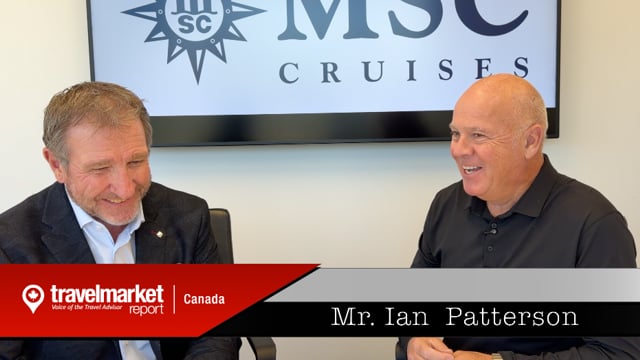
The experiential travel panel at TMP Calgary.
For decades, much of leisure travel was about checking destinations and famous sights off a list. Increasingly, though, travellers don’t just want to have “been there,” they want to have “done that.”
That shift was at the heart of “The Rise and Rise of Experiential Travel,” a panel at the recent Travel Market Place Calgary conference hosted by TMR Canada Senior Editorial Director Bruce Parkinson and featuring three Canadian travel advisors: Terry Hawkins of The Travel Agent Next Door, Rica Vivien Pasco of Travel Gurus and Selena Ronnquist of Tier One Travel.
The discussion revealed that while “experiential travel” has become an industry buzzword, its definition is remarkably broad.
It can mean cooking with locals, riding a local bus in Belize, learning to make chocolate at a cacao farm, taking a wine-focused river cruise in Europe or camping in the Moroccan desert. And it doesn’t necessarily have to involve travelling farther, spending more or pushing your physical limits.
For 35-year industry veteran Ronnquist, the key is simply recommending something outside a traveller’s normal routine.
“It doesn’t have to be that giant adventure that a lot of people think it is,” she said.
A family that has spent years taking resort vacations in Mexico, for example, might be ready for something different. Introducing them to a small-group adventure could see the children surfing, hiking through forests, trying unfamiliar foods and meeting local people.
Those are the moments and memories that tend to stick.
“You remember going to the cacao farm and making chocolate,” Ronnquist said.

From Spectators to Participants
Hawkins brings an unusual perspective to experiential tourism. Born and raised in the Arctic, he first encountered the industry not as an advisor or traveller, but as a resident of a destination expedition travellers wanted to experience.
He remembers a time when visiting tour companies would place considerable demands on tiny northern communities, including asking them to provide feasts for hundreds of visitors with little compensation.
In communities dependent on annual food supplies, feeding that many visitors could mean residents were effectively taking food from their own tables.
Thankfully, Hawkins says the relationship has changed dramatically.
He pointed to expedition and adventure companies that increasingly work directly with communities and ensure more tourism revenue stays locally.
That has helped change the way residents perceive visitors, too.
“They’re no longer looking at people from the south as takers,” Hawkins said. Instead, tourism can provide an opportunity for communities to share and celebrate their culture.
For advisors selling experiential travel, Hawkins said choosing the right supplier matters. Companies should be judged not only by the experiences they offer travellers, but by their impact on the places and people being visited.

Experiential Travel Crosses Generations
Pasco, who entered the travel industry in 2023, initially expected younger travellers to be the primary audience for experiential trips.
Her clients have taught her otherwise.
“I’ve also met some clients in their 60s and 70s,” she said, who are only now beginning to explore this style of travel.
For Pasco, who enjoys sharing her own Asian background and knowledge of food and culture with clients, travel offers an opportunity for people to discover both the differences and similarities between cultures. Food is an especially powerful entry point, she said.
Cooking classes, meals in local homes and neighbourhood restaurants can turn a trip into something far more personal. Sometimes memorable experiences aren’t planned at all. Pasco recalled visiting a small town and spontaneously playing soccer with local children.
“Those experiences that I can do in that destination are just a story in itself,” she said.
The Advisor’s Job: Ask the Right Questions
The advisor’s job: ask the right questions
One of the biggest challenges for advisors is that clients don’t necessarily know what experiences they want. They may not even know what’s possible.
Ronnquist said discovery therefore needs to go well beyond asking where someone wants to travel.
“Ask what they do on weekends. Do they hike? Is someone in the family a birdwatcher? Are the children interested in science? What do they watch? What do they eat? What are their hobbies?”
“Everybody has a story,” she said. “Ask the questions.”
The answers can give an advisor the clues needed to transform an ordinary itinerary into something highly personal.
Hawkins agrees that advisors also need to challenge their own assumptions about clients.
A simple question can uncover an interest that completely changes the direction of a sale. And when a client says they want to “go where the locals go,” advisors need to interpret what that really means.
“The locals are going to work,” Hawkins joked.
What clients are usually asking for, he said, is something other tourists don’t typically do.
That might mean recommending a neighbourhood café, a local market or an interesting walk just outside the tourist centre.

Small is Getting Bigger
All three panellists pointed to smaller-scale travel as particularly well suited to the experiential trend.
Small-group tours, expedition cruising, yacht-style cruising and smaller ships can reach communities and places that aren’t accessible to large groups. Smaller groups also make it easier to change plans, eat in local restaurants and interact with residents.
Ronnquist said advisors shouldn’t think they need to completely reinvent a client’s travel style either.
Someone who loves Italy’s traditional Venice-Florence-Rome itinerary might be encouraged to explore Puglia on their next trip. A committed resort client could be persuaded simply to leave the property for an afternoon, eat at a local taco stand or take a cooking class.
“Just try something different,” she said. “You’re just elevating your experience a little bit.”
For advisors, that may be the greatest opportunity created by experiential travel.
The goal isn’t necessarily to persuade clients to abandon the vacations they already love. It’s to listen closely enough to discover what else might excite them — and then add the experience that turns a good trip into the story they tell when they get home.